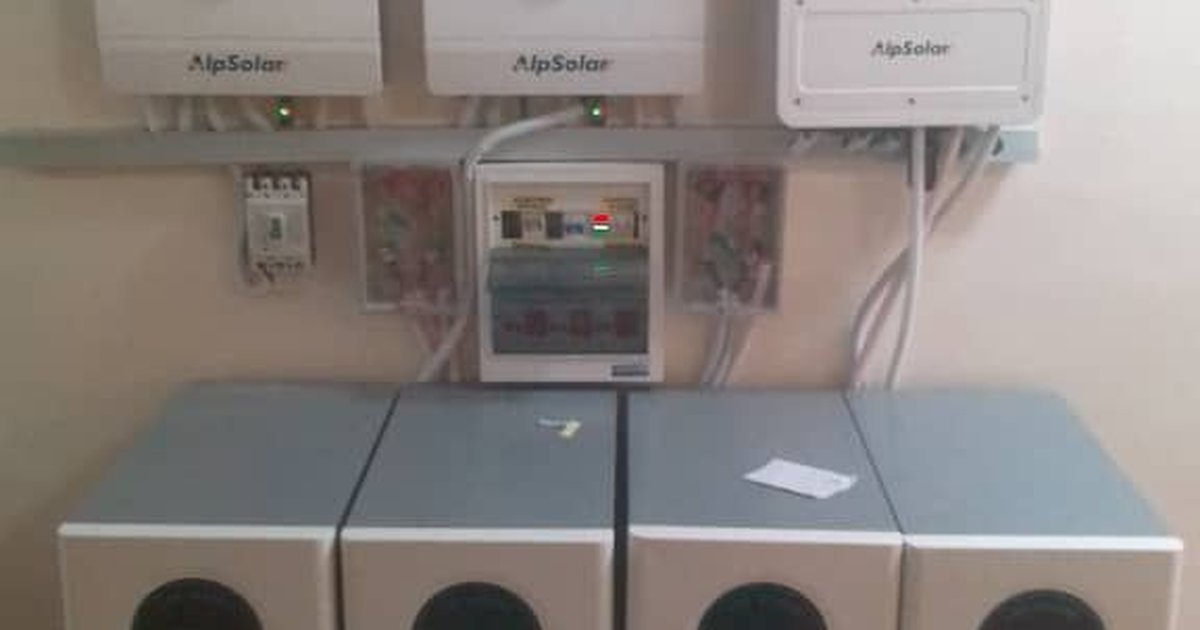
If you've ever asked a solar company "how much will it cost?" and got a vague "it depends," this is for you. You deserve a straight answer. So here's how commercial solar pricing actually works in Nigeria in 2026 — and how to own a system without paying everything upfront.
The honest starting point: there's no single price, because no two businesses use power the same way. A small shop and a 24-hour cold-storage business have completely different needs. But the factors that decide your price are simple, and once you understand them, no one can confuse you with jargon again.
What Actually Determines Your Price
Four things move the number up or down. That's it.
- Your power load — how much electricity your equipment draws. Freezers, ACs, and cold rooms pull far more than lights and fans.
- Your runtime needs — how many hours you need backup for. All-day operation needs more battery storage than a few evening hours.
- Battery type — lithium costs more upfront than tubular, but lasts far longer and handles daily heavy use better, which is why serious businesses choose it.
- System size — measured in kilowatts (kW). A bigger operation simply needs more panels and capacity.
What Your Money Actually Buys
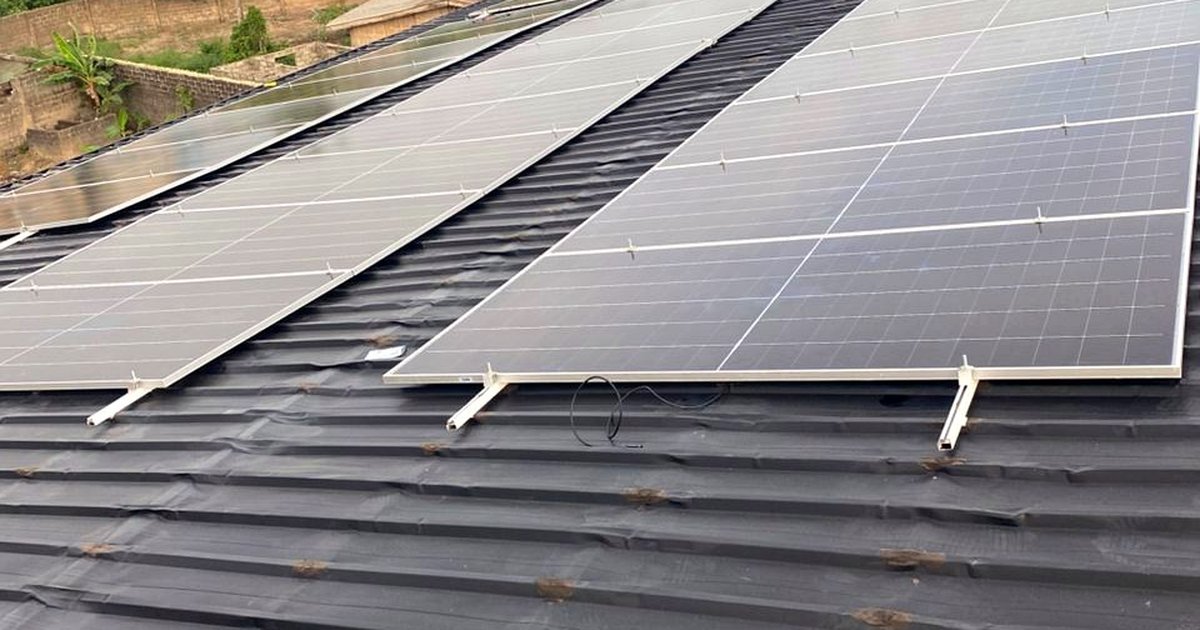
When you pay for a quality commercial system, you're not just buying panels on a roof. You're buying a complete, engineered power plant: high-efficiency panels, a pure sine wave inverter that protects your appliances, a proper battery bank for storage, professional installation, and a 5–10 year warranty. Cheap "solar kits" skip the engineering — and they're exactly why some people wrongly believe "solar doesn't work."
Think in payback, not price. The real question isn't "how much does it cost?" It's "how fast does it pay me back?" When a system replaces most of your fuel spend, it often pays for itself in a few years — and after that, your power is essentially free.
You Don't Have to Pay It All Upfront
This is the part most businesses don't realise. At YST Energy, you have four ways to own your system:
- Outright — pay once, own it outright, get our best value.
- Flex Plan — pay 80% now, the remaining 20% shortly after.
- Sterling Bank financing — spread payments over up to 36 months.
- Alternative Bank financing — flexible tenor options to suit your cash flow.
With financing, many businesses pay a monthly instalment that's lower than their old diesel bill — meaning the system pays for itself while you're still paying for it.
The Bottom Line
Commercial solar in Nigeria isn't cheap to buy, but it's far cheaper to own than a generator is to run. The smartest move isn't guessing at a price online — it's getting a system sized and quoted for your exact load, so you know your real number and your real payback.